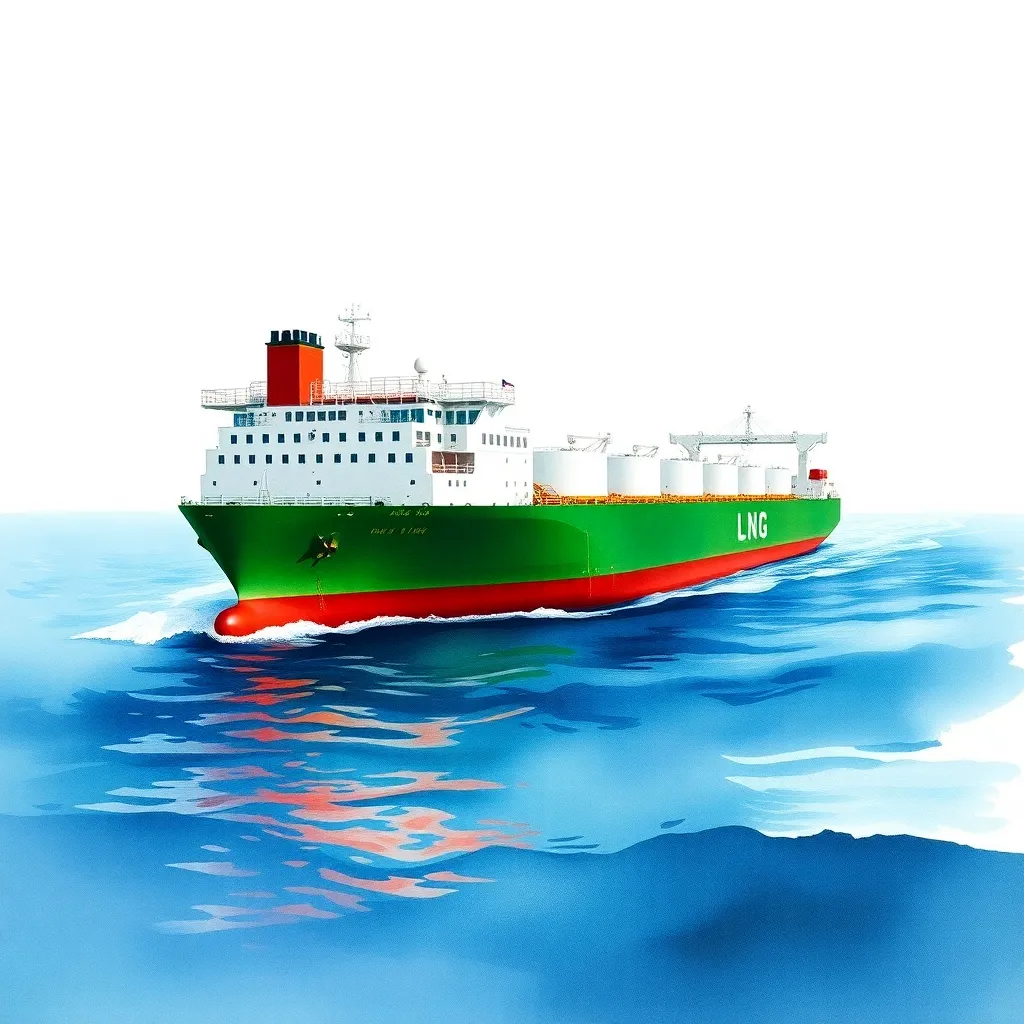
 In 2026, the LNG tanker market is breaking records: deliveries of new vessels will reach 100 units—27% more than in 2025. This figure is not just impressive—it is turning the logistics of the global gas market upside down. What is behind this growth? The world is experiencing a structural shift. After the start of the conflict in Hormuz, Europe and Asia are accelerating the diversification of gas supplies. LNG is the only way to quickly replace pipeline volumes, meaning the tanker fleet becomes critical infrastructure. Each new tanker is not just a vessel—it is an opportunity to move 170–180 thousand cubic meters of liquefied gas from one continent to another in 20 days. For natural gas prices, this means two things simultaneously. On one hand, the growing fleet reduces freight rates—competition among carriers increases, and the logistics leg becomes cheaper. On the other hand, the total volume of gas in transit increases, making the market more liquid and volatile. Traders get more opportunities for arbitrage between hubs, but the risks of missing a window grow exponentially. And this is where the AI agent ASI Biont becomes an indispensable tool. While a person reads the morning briefing and assesses terminal loading, the agent has already analyzed 47 sources—from Baltic Exchange to spot quotes JKM and TTF—and formed a scenario in 14 seconds. It does not predict the future but analyzes published data faster than a trader can finish their coffee: where a spread has formed, which terminal is overloaded, where freight has sharply dropped. In a world where 100 new tankers are entering service and geopolitics changes routes in hours, speed of analysis is the only competitive advantage that cannot be bought with money. It can only be automated. Try ASI Biont—1500 tokens are already waiting for you at asibiont.com. No promo codes—just register and start analyzing markets at a new speed.