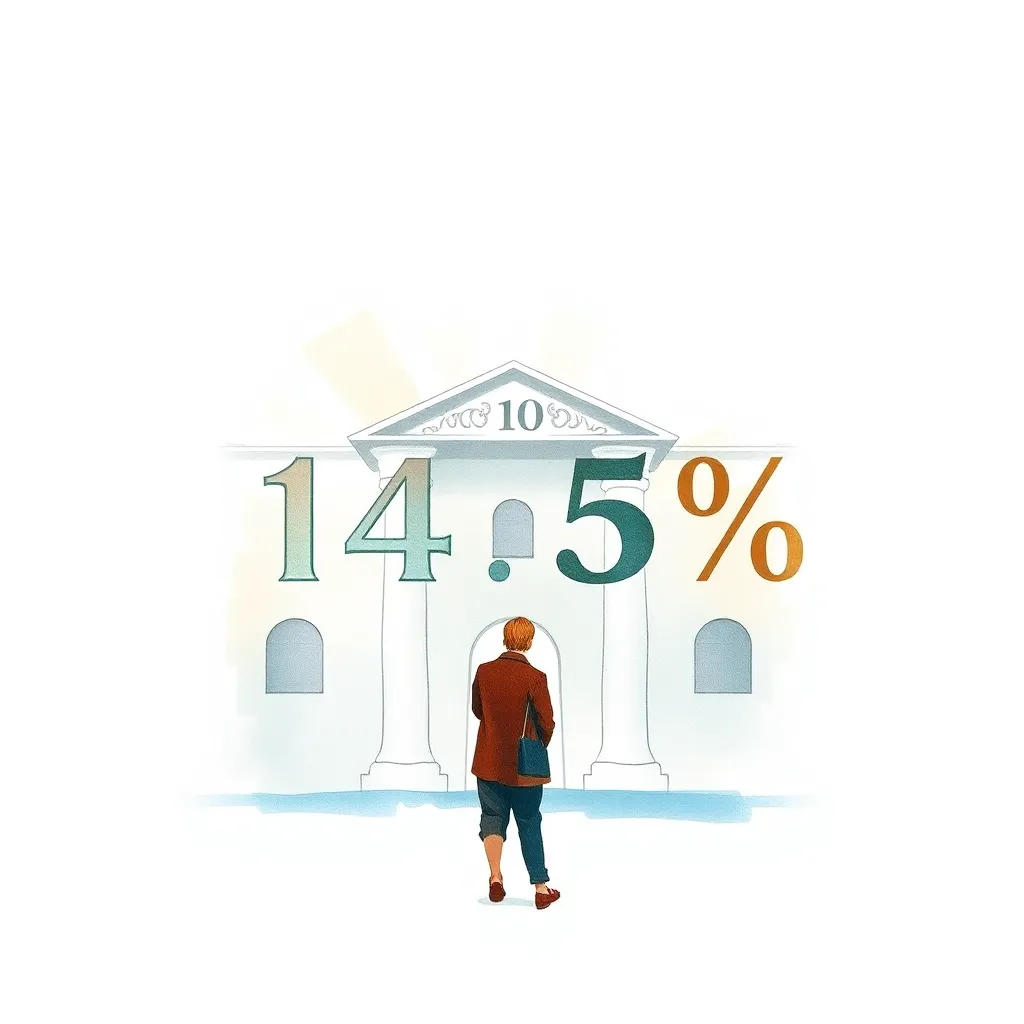
 The Central Bank has cut the key rate to 14.5% — this is not just news for investors, but a direct signal for all businesses. Annual inflation at 5.7% means money is losing value faster than most companies can recalculate their financial models. Manual financial management in such conditions becomes not just inefficient — it becomes expensive. When the rate drops but inflation remains high, businesses fall into a trap: loans become cheaper, but purchasing power declines, margins shrink, and financial decisions need to be made faster than ever. Companies relying on Excel and quarterly reports simply cannot keep up with macroeconomic shifts. This is where the difference between traditional approaches and AI automation becomes clear. ASI Biont AI agents analyze macroeconomic trends in seconds — they don't manually search through news, but instantly process published data from the Central Bank, Rosstat, and analysts. While the CFO reads the morning newsletter, the AI has already recalculated scenarios: how the rate cut to 14.5% will affect the cost of loans, accounts receivable, and the company's cash flow. The Central Bank rate cut is a window of opportunity for those ready to act quickly. But reaction speed depends on how automated your analytics are. Businesses that delegate routine tasks to AI agents gain not just time savings — they gain the ability to spot trends before competitors. New ASI Biont users receive 1500 tokens at the start — to immediately launch an AI agent for financial analysis and test how quickly your company can respond to macroeconomic signals. While some are manually dealing with the consequences of the rate cut, others have already automated their finances.