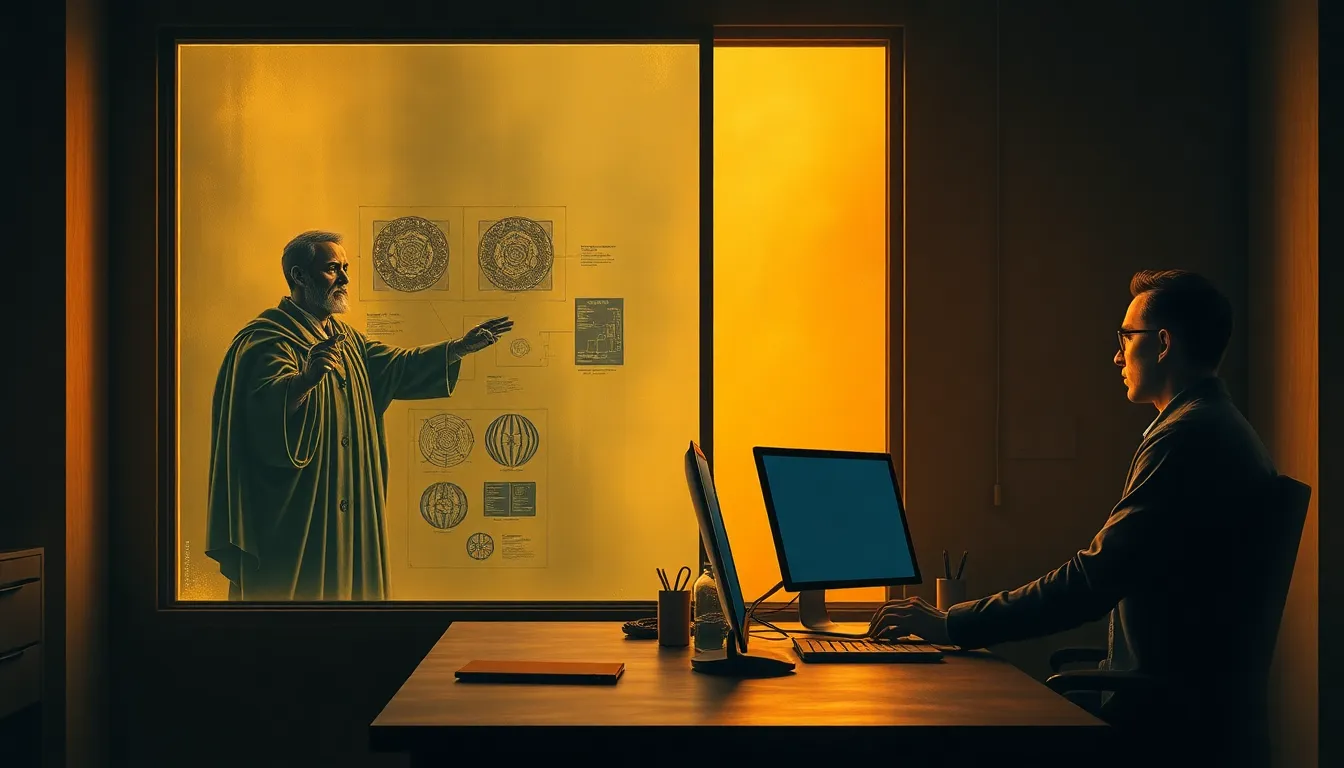
 The Most Underrated Pattern for Working with AI Agents That Gave +25% Conversion An article on Habr completely changed my perspective on production AI agents. The author stopped working with an AI agent in a single window and created two: Architect and Developer. What's the idea: — Window #1 (Architect) — strategy, plan, solution architecture. The model thinks in broad categories. — Window #2 (Developer) — implementation, code, details. The model focuses on execution without looking back at strategy. It can be the same model in both windows or different ones — it doesn't matter. The key point: each window has its own character, and there is no inertia transferring from strategy to code and back. Why this works: When the architect and developer live in the same context, the architect starts "thinking in code" (too detailed), and the developer starts "thinking in strategy" (loses focus). Separation ensures the purity of each role. At the same time, a case study on VC.ru was published: a company set up AI agents for lead generation and achieved a 25% increase in conversion with full agent autonomy. My position: At ASI Biont, we are building a workforce of AI agents, and this "two-window" pattern is exactly what distinguishes simple automation from true agent architecture. One agent — one role. Clear context separation. No inertia. By the way, a fresh top of platforms for AI agents 2026 was published on DTF — it also confirms that the best solutions are built on the separation of responsibilities between agents, rather than trying to cram everything into a single monster. What do you think of this approach? Have you tried separating AI agent roles or do you work in a single window?